
What Is Root Canal Treatment: A Clear Guide to Saving Your Tooth

Updated: 5 days ago

A root canal treatment is a dental procedure used to remove infected or inflamed tissue from inside a tooth and seal it to prevent further damage. It helps relieve pain and allows you to keep your natural tooth instead of removing it.
This guide is for anyone considering a root canal, whether you are exploring root canal in Singapore options or simply searching for a “dentist near me.” It explains what a root canal is, how it works, and what to expect.
Key Takeaways
A root canal treatment removes infected pulp from inside the tooth
It is used to relieve pain and prevent tooth loss
The procedure involves cleaning, filling, and sealing the tooth
Proper care helps the treated tooth last for many years
A root canal treatment is a procedure that removes infected tissue from inside a tooth, cleans the root canals, and seals them. It is done to stop infection, reduce pain, and preserve the natural tooth. The process includes diagnosis, cleaning, filling, and restoration.
What Is Root Canal Treatment and Why Is It Done?
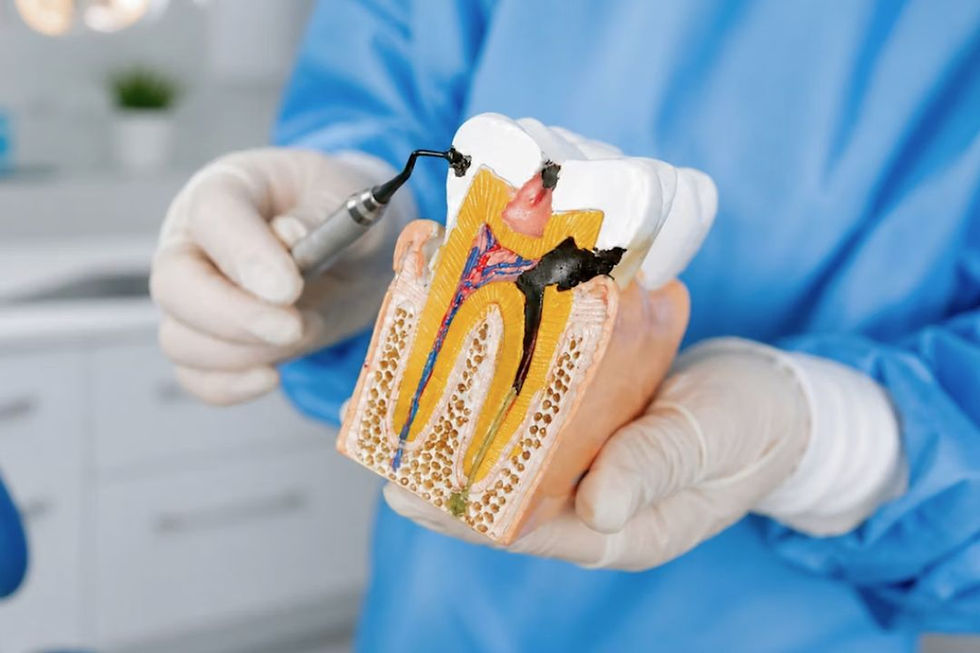
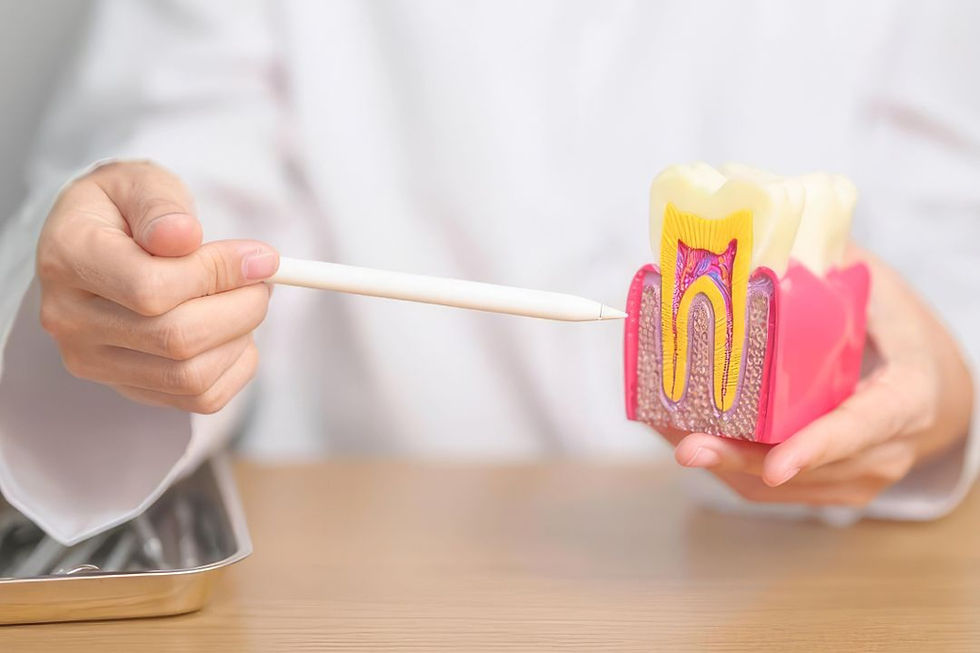
Root canal treatment is needed when the inner part of a tooth becomes infected or inflamed. This inner part is called the pulp. It contains nerves, blood vessels, and connective tissue.
The pulp can become damaged due to:
Deep tooth decay
Cracks or chips in the tooth
Repeated dental procedures
Trauma or injury
When the pulp is infected, it can cause pain and swelling. If not treated, the infection can spread to surrounding tissue and may lead to tooth loss.
Root canal treatment removes the damaged pulp and protects the tooth from further infection.
What Happens During a Root Canal Treatment?
Understanding what happens during a root canal helps reduce uncertainty. The procedure is structured and follows several steps.
Diagnosis and X-Rays
A dentist examines the affected tooth and may take an X-ray. This helps confirm the presence of infection and assess its extent.
Local Anaesthetic
The area around the tooth is numbed. You may feel a small prick during the injection, but the treatment itself is usually comfortable once the anaesthetic takes effect.
Isolation of the Tooth
A dental dam is placed around the tooth. This keeps the area dry and reduces contamination during the procedure.
Creating Access
A small opening is made in the top of the tooth. This allows access to the infected pulp inside.
Cleaning and Shaping
Small instruments are used to remove the infected pulp. The root canals are then cleaned and shaped to prepare them for filling.
Filling the Canals
The cleaned canals are filled with a material called gutta-percha. This seals the canals and helps prevent reinfection.
Sealing the Tooth
The opening is closed with a filling. In many cases, a crown is recommended to restore strength and function, especially if a large portion of the tooth is affected.
Who Needs Root Canal Treatment?
Root canal treatment is suitable for people who have infection or damage inside a tooth. It is commonly recommended when:
Tooth pain does not go away
Sensitivity lingers after exposure to hot or cold
Gums are swollen or tender near a tooth
A tooth becomes darker in colour
There is discomfort when chewing
In some cases, there may be no obvious symptoms. A routine dental check may still detect the need for treatment.
What Are Common Misconceptions About Root Canal Treatment?
“Root Canal Treatment Is Painful”
Many people expect significant pain. In reality, the procedure is done to remove the source of pain. With modern anaesthesia, most patients feel minimal discomfort.
Some mild soreness after treatment is possible and usually settles within a few days.
“It Is Better to Remove the Tooth”
Removing a tooth may seem simple, but it can lead to shifting teeth, reduced chewing ability, and bone loss over time. Keeping the natural tooth helps maintain normal function.
“Root Canal Treatment Causes Illness”
There is no scientific evidence linking root canal treatment to illness. The infection inside the tooth is the concern, not the procedure.
What Are the Benefits of Root Canal Treatment?
Root canal treatment offers practical benefits:
Preserves your natural tooth
Restores normal chewing and biting
Prevents infection from spreading
Protects nearby teeth from excess strain
It is often a more conservative option than removing the tooth and replacing it.
Are There Any Risks or Limitations?
While root canal treatment is widely performed, there are some considerations:
The treated tooth may become more brittle over time
A crown may be required for long-term strength
There is a small chance of reinfection
Complex cases may require more than one visit
These risks are generally manageable with proper care and follow-up.
What to Do After a Root Canal Treatment to Protect Your Tooth
Aftercare plays a key role in maintaining results.
Daily Care
Brush twice a day
Floss regularly
Avoid biting hard foods with the treated tooth at first
Follow-Up Care
Attend review appointments
Complete any recommended crown treatment
Monitor for pain or swelling
With consistent care, the tooth can remain functional for many years.
What Does Recovery Look Like?
Recovery after a root canal is usually simple.
Mild discomfort may last a few days
Most people return to normal routines quickly
Eating can resume once numbness wears off
If pain increases or does not improve, a dentist should review the tooth.
How Do You Choose the Right Dentist for a Root Canal?
Choosing the right provider helps ensure proper care.
Consider the following:
Experience in root canal treatment
Access to diagnostic tools such as X-rays
Clear explanation of the procedure
Availability for follow-up care
Many people start by searching for a “dentist near me” to find a convenient option.
Where Can You Compare Root Canal Treatment Options?
Root canal treatment is available in general dental clinics and specialist practices. Patients can compare providers based on location, services, and approach to care.
EZ Dental Care is one option among many clinics offering root canal services alongside general dentistry, with convenient access at both the Bedok North Dental Clinic and Geylang Bahru Dental Clinic.
When comparing clinics, it is useful to check:
Treatment scope and approach
Accessibility and location
Clarity of information provided
Follow-up support
Taking time to compare options helps you make a practical and informed choice.
What Does a Tooth Feel Like After Treatment?
After a root canal, the tooth should feel stable and functional.
You should be able to:
Bite and chew without pain
Maintain normal oral hygiene
Use the tooth as part of daily function
A crown may improve long-term strength, especially for back teeth.
FAQs
What’s a root canal in simple terms?
It is a treatment that removes infected tissue inside a tooth and seals it to prevent further problems.
How long does root canal treatment take?
It usually takes one or two visits, depending on the condition of the tooth.
Is root canal treatment better than extraction?
Keeping the natural tooth is often preferred for function and alignment.
Can I eat after a root canal?
Yes, once the numbness wears off. Softer foods are recommended at first.
How long does a treated tooth last?
With proper care, it can last for many years.
Do I always need a crown after a root canal?
Not always, but it is often recommended for strength.
Conclusion
Root canal treatment removes infection from inside a tooth so it can be preserved. It helps relieve pain, restore normal chewing function, and prevent the infection from spreading or worsening.
If you are experiencing symptoms such as persistent tooth pain or sensitivity, the next step is to visit a dentist near you for an assessment. Early treatment can make the procedure more straightforward and reduce the risk of complications.

Comments