
Root Canal Treatment Procedure: What to Expect Step by Step

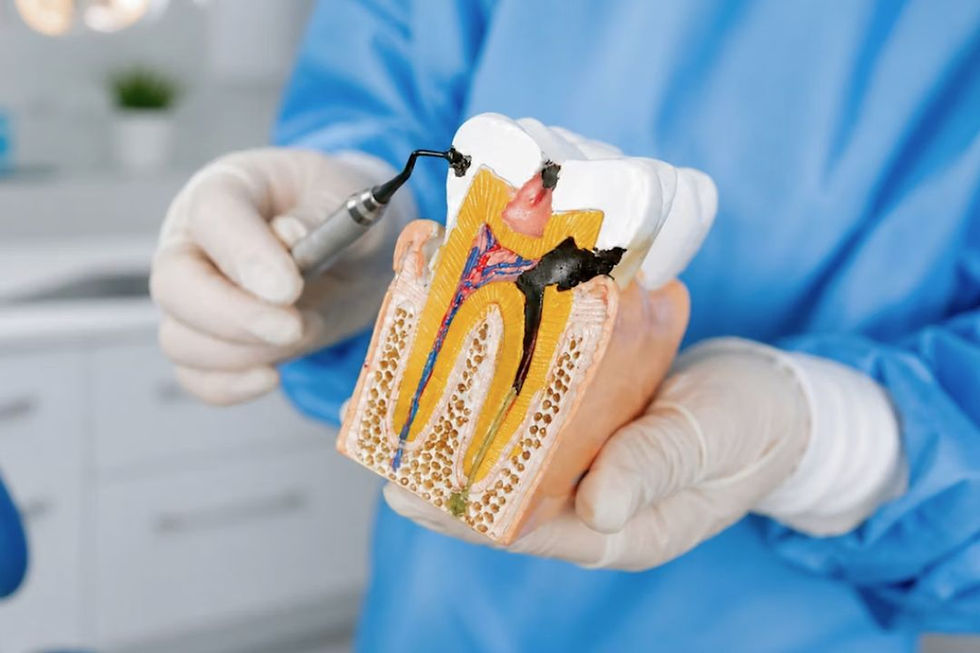
Hearing that you need a root canal can make you feel uncertain, especially if you don't know what the treatment involves. Understanding the root canal treatment procedure can help ease concerns and give you a clearer idea of what to expect during your appointment. Thanks to modern dental techniques and local anaesthesia, root canal treatment is now a routine procedure that aims to relieve pain, remove infection, and preserve your natural tooth.
If you're looking for more information about when this treatment may be recommended, you can learn more about root canal treatment in Singapore. The page explains the purpose of root canal treatment, the conditions it is commonly used to treat, and what patients can generally expect before and after the procedure.
This guide explains the root canal treatment procedure step by step, from the initial examination to the final restoration, so you'll know what to expect before, during, and after treatment.
What Is Root Canal Treatment?
Before understanding the procedure, it's helpful to know what root canal treatment is designed to achieve.
A root canal is performed when the pulp inside a tooth becomes inflamed or infected. The pulp is the soft tissue that contains nerves, blood vessels, and connective tissue. Deep tooth decay, cracks, trauma, or repeated dental procedures can allow bacteria to reach the pulp, leading to infection.
During root canal treatment, the infected tissue is removed, the inside of the tooth is thoroughly cleaned, and the root canals are sealed to prevent further infection. The treated tooth is then restored so it can continue to function normally.
If you'd like to understand why this treatment may be recommended, learn more about what a root canal is.
When Is a Root Canal Treatment Procedure Needed?
Your dentist may recommend root canal treatment if the pulp inside the tooth has been damaged beyond its ability to heal.
Common signs include:
Persistent toothache
Sensitivity to hot or cold that lingers
Pain when biting or chewing
Swollen or tender gums
Tooth discolouration
A recurring pimple-like swelling on the gums
Some infected teeth may not cause noticeable symptoms in the early stages, which is why regular dental check-ups are important for detecting problems before they become more serious.
Step 1: Dental Examination and Diagnosis
Every root canal treatment begins with a comprehensive dental assessment.
Your dentist will ask about your symptoms, examine the affected tooth, and usually take dental X-rays to evaluate the condition of the tooth and surrounding bone.
The X-rays help determine:
Whether the pulp is infected
The number and shape of the root canals
Whether the infection has spread beyond the tooth
Whether root canal treatment is the most suitable option
Based on these findings, your dentist will explain the recommended treatment plan and answer any questions you may have before proceeding.
Step 2: Administering Local Anaesthesia
Before treatment begins, the area around the affected tooth is numbed using local anaesthesia.
Many patients worry that root canal treatment will be painful, but local anaesthesia helps ensure the procedure is as comfortable as possible.
Once the area is fully numb, most patients feel pressure during treatment rather than pain.
Step 3: Isolating the Tooth
To keep the tooth clean and dry throughout the procedure, your dentist may place a protective dental dam around the affected tooth.
This thin protective sheet helps:
Prevent saliva from entering the treatment area.
Reduce the risk of contamination.
Improve visibility during the procedure.
Protect the patient from small dental instruments.
Maintaining a clean treatment environment is an important part of achieving a successful outcome.
Step 4: Creating a Small Opening in the Tooth
After the tooth has been numbed and isolated, the dentist creates a small opening through the top of the tooth.
This opening provides access to the pulp chamber and the root canals.
Using specialised dental instruments, the dentist carefully removes the infected or inflamed pulp tissue while preserving as much healthy tooth structure as possible.
Step 5: Cleaning and Shaping the Root Canals
Once the damaged pulp has been removed, the root canals are thoroughly cleaned and disinfected.
This stage is one of the most important parts of the root canal treatment procedure because it removes bacteria and infected tissue from inside the tooth.
The dentist uses fine instruments to:
Clean each canal.
Remove remaining debris.
Shape the canals for filling.
Flush the canals with disinfecting solutions.
The number of canals varies depending on the tooth. Front teeth generally have one canal, while premolars and molars often have multiple canals that require careful cleaning.
Step 6: Filling and Sealing the Canals
After the canals have been cleaned and disinfected, they are filled with a specialised biocompatible material.
This material seals the canals to help prevent bacteria from re-entering the tooth.
The opening in the tooth is then temporarily or permanently restored, depending on whether additional treatment is required.
Step 7: Restoring the Tooth
After the root canals have been filled and sealed, the final step is restoring the tooth so it can function normally again.
Depending on the condition of the tooth, your dentist may recommend:
A permanent dental filling
A dental crown
A post and core before placing a crown
Teeth that have lost a significant amount of structure—particularly premolars and molars—are often restored with a dental crown. A crown helps strengthen the tooth, protects it from fractures, and restores its appearance and function.
Your dentist will recommend the most appropriate restoration based on the amount of healthy tooth structure remaining.
What Happens After the Root Canal Treatment Procedure?
Most patients can return to their usual daily activities shortly after their appointment.
However, it is common to experience mild tenderness or sensitivity around the treated tooth for a few days as the surrounding tissues heal.
To support recovery, your dentist may recommend that you:
Avoid chewing on the treated tooth until the permanent restoration has been placed.
Maintain good oral hygiene by brushing and flossing regularly.
Attend any follow-up appointments as advised.
Take medication as directed if needed to manage temporary discomfort.
If you experience severe pain, swelling, or symptoms that worsen after treatment, you should contact your dentist promptly for further assessment.
How Long Does the Root Canal Treatment Procedure Take?
The length of the procedure varies depending on the complexity of the case.
Simple root canal treatments may be completed in a single visit, while more complex cases—such as teeth with multiple root canals or extensive infections—may require two or more appointments.
Factors that can affect treatment time include:
The tooth being treated.
The number of root canals.
The severity of the infection.
Whether additional restoration is required.
If you'd like to know what influences the number of appointments, you can find out how long root canal treatment takes.
How Much Does the Procedure Cost?
The cost of a root canal treatment procedure depends on several factors, including which tooth requires treatment, the complexity of the infection, and whether additional restorative treatment, such as a dental crown, is needed.
Because every patient's condition is different, your dentist will provide a personalised treatment plan and cost estimate following a clinical examination.
If you're researching treatment fees before booking an appointment, learn more about root canal treatment costs in Singapore, including the factors that may affect pricing, available subsidies, and payment options.
What Are the Benefits of Root Canal Treatment?
Root canal treatment offers several benefits for patients with infected or damaged teeth.
These include:
Removing infection from inside the tooth.
Relieving pain caused by inflamed dental pulp.
Preserving your natural tooth whenever possible.
Restoring normal chewing and biting function.
Preventing the spread of infection to surrounding tissues.
Helping maintain the alignment of neighbouring teeth.
Reducing the need for tooth extraction.
Preserving your natural tooth is generally the preferred option because it helps maintain your oral function and may reduce the need for more extensive restorative treatments in the future.
When Should You See a Dentist?
You should arrange a dental examination if you experience symptoms such as:
Persistent tooth pain.
Lingering sensitivity to hot or cold foods.
Pain when biting or chewing.
Swollen or tender gums.
Tooth discolouration.
A recurring swelling or pimple on the gums.
Prompt assessment allows your dentist to identify the cause of your symptoms and recommend the most appropriate treatment before the condition worsens.
Conclusion
Understanding the root canal treatment procedure can help you feel more prepared if your dentist recommends this treatment. From diagnosing the problem and removing infected pulp to sealing and restoring the tooth, each step is carefully performed to eliminate infection while preserving your natural tooth whenever possible.
If you're experiencing persistent tooth pain or have been advised to undergo treatment, learn more about root canal treatment in Singapore to understand when it may be recommended and what to expect during your visit. You can also schedule a consultation at our Bedok North or Geylang Bahru clinic to discuss the treatment options available for your dental condition.
Contact Us
For enquiries or to book a consultation, get in touch with either of our clinics:
EZ Dental Care – Bedok North
Phone: +65 9122 8283
Email: ask@ezdentalsg.com
EZ Dental Care – Geylang Bahru
Phone: +65 8288 7312
Email: ask@ezdentalsg.com
Our team will be happy to answer your questions, discuss your denture treatment options, and help you find a solution that suits your oral health needs and budget.
FAQs
What happens during a root canal treatment procedure?
During a root canal treatment procedure, the dentist removes the infected or inflamed pulp from inside the tooth, cleans and disinfects the root canals, seals them with a specialised material, and restores the tooth with a filling or crown if required.
Is the root canal treatment procedure painful?
Root canal treatment is performed under local anaesthesia, so the procedure is generally comfortable. Most patients experience little to no pain during treatment, although mild soreness afterwards is normal and usually temporary.
How many appointments does a root canal treatment procedure require?
Some root canal treatments can be completed in one appointment, while more complex cases may require two or more visits. The number of appointments depends on the condition of the tooth and the complexity of the infection.
Will I need a dental crown after a root canal?
Not every tooth requires a crown. However, teeth that have lost a significant amount of structure—especially premolars and molars—are often restored with a dental crown to improve their strength and durability.
How successful is root canal treatment?
Root canal treatment has a high success rate when performed appropriately and followed by good oral hygiene and regular dental check-ups. With proper care, a treated tooth can continue to function well for many years.

Comments