
Root Canal Treatment Time: How Long Does It Take?

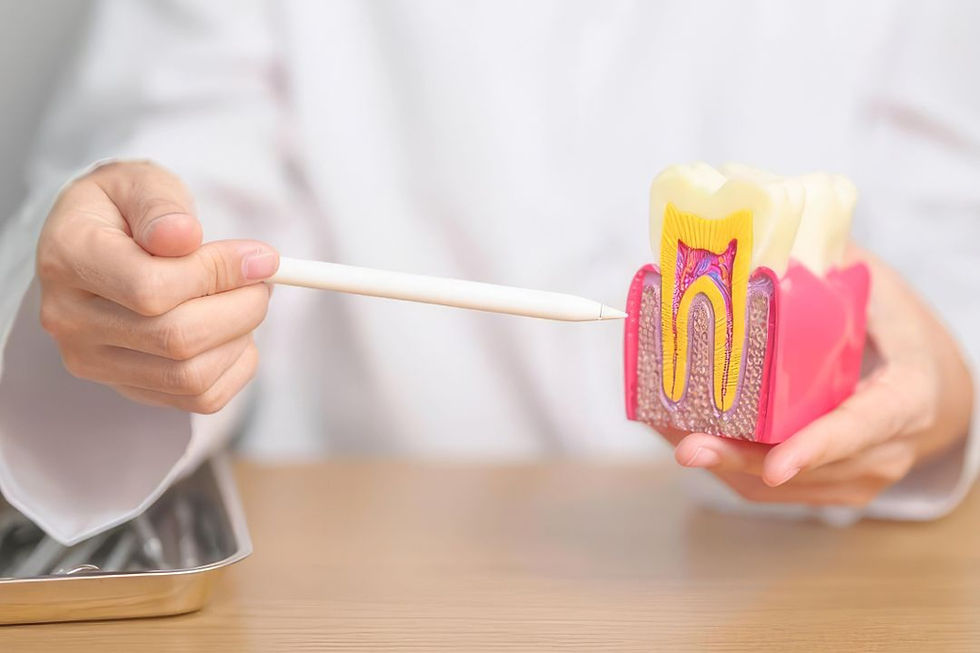
If your dentist has recommended a root canal, one of the first questions you may have is, "How long will it take?" Understanding root canal treatment time can help you plan your schedule, know what to expect during your appointment, and feel more confident about the procedure. While every patient is different, most root canal treatments can be completed efficiently using modern dental techniques.
The length of treatment depends on several factors, including which tooth requires treatment, the complexity of the infection, and whether the procedure can be completed in one visit or requires multiple appointments. If you're considering treatment, learn more about root canal treatment in Singapore, including when it may be recommended and how it can help preserve your natural tooth
In this guide, we'll explain what influences root canal treatment time, how long each stage typically takes, and what you can expect before, during, and after your appointment.
How Long Does Root Canal Treatment Usually Take?
There is no single answer because every case is unique.
In general, a root canal appointment may take between 60 and 90 minutes. However, more complex cases may require additional time or multiple visits.
Your dentist will recommend the most appropriate treatment plan after examining your tooth and reviewing dental X-rays.
Several factors influence the total treatment time, including:
The location of the tooth.
The number of root canals.
The severity of the infection.
Whether additional procedures are required.
The overall complexity of the case.
Why Does Root Canal Treatment Time Vary?
Every tooth is different, and so is every root canal procedure.
Some teeth are relatively straightforward to treat, while others require more time because of their anatomy or the extent of the infection.
Below are some of the most common factors that affect treatment duration.
The Type of Tooth Being Treated
Different teeth have different numbers of root canals.
For example:
Incisors usually have one root canal.
Canines typically have one long canal.
Premolars often have one or two canals.
Molars usually have three or four canals.
Because molars have more canals to clean and seal, treatment generally takes longer than for front teeth.
The Complexity of the Infection
The condition of the tooth also plays an important role.
A tooth with mild pulp inflammation may be treated more quickly than one with extensive infection, calcified canals, or previous dental work.
If the infection has spread beyond the tooth or the canals are difficult to access, additional treatment time may be needed to thoroughly clean and disinfect the tooth.
Whether One or Multiple Visits Are Needed
Some root canal treatments can be completed in a single appointment.
However, your dentist may recommend two or more visits if:
The infection is extensive.
The tooth has multiple canals.
Medication needs to be placed inside the tooth between appointments.
Additional restorative treatment is required.
Your dentist will determine the most appropriate approach based on your individual case.
What Happens During Each Appointment?
Although treatment times vary, most root canal appointments follow a similar sequence.
The appointment generally includes:
Examining the tooth and reviewing X-rays.
Administering local anaesthesia.
Isolating the tooth.
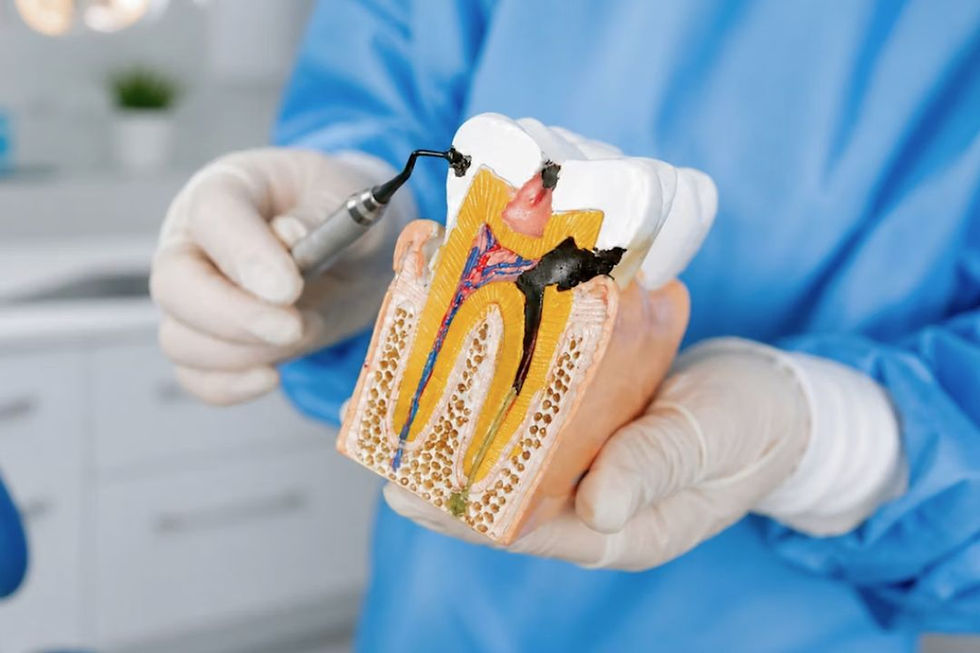
Removing the infected pulp.
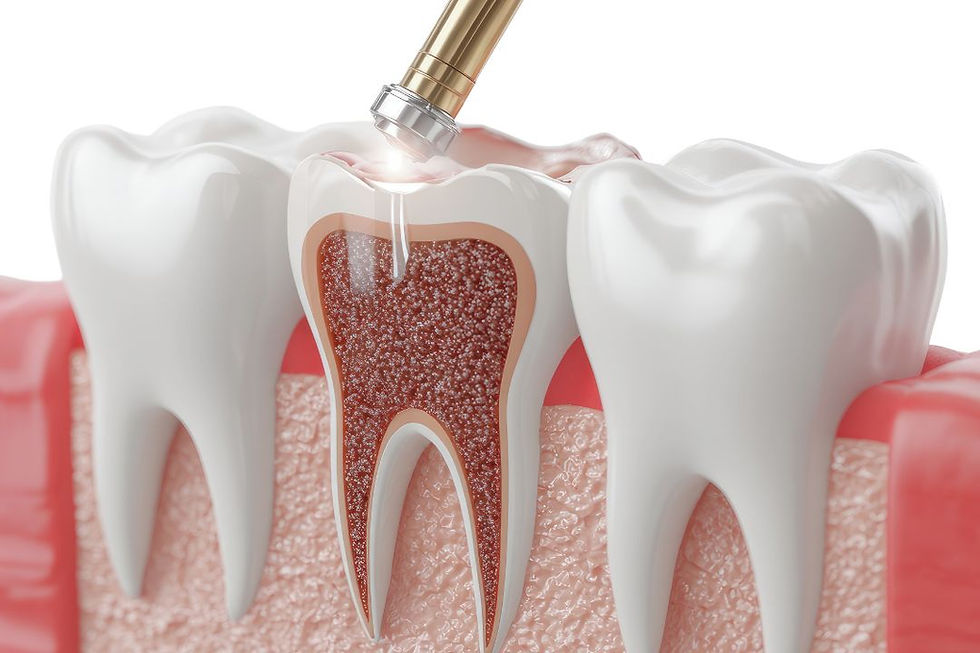
Cleaning and disinfecting the root canals.
Filling and sealing the canals.
Restoring the tooth with a filling or preparing it for a dental crown if necessary.
If you'd like a more detailed explanation of each stage, learn more about the root canal procedure.
Does the Procedure Feel Long?
Many patients are surprised that the appointment feels shorter than expected.
During treatment, your dentist works carefully to clean and seal the tooth while ensuring your comfort throughout the procedure.
Because local anaesthesia is used, most patients experience little discomfort during treatment. You may simply notice the passage of time while remaining comfortably numb.
Patients who understand what will happen before their appointment often feel less anxious and more relaxed throughout the procedure.
If you're unfamiliar with the treatment itself, you can learn more about what a root canal is before your appointment.
What Happens Between Multiple Visits?
If your treatment requires more than one appointment, your dentist will usually place a temporary filling over the treated tooth.
This temporary restoration helps protect the tooth while allowing medication placed inside the canals, if needed, to continue treating the infection.
During this period, your dentist may advise you to:
Avoid chewing hard foods on the treated tooth.
Maintain good oral hygiene.
Attend your follow-up appointment as scheduled.
Returning for the next visit is important to ensure the treatment is completed successfully.
How Long Does Recovery Take After Root Canal Treatment?
Recovery after a root canal is generally straightforward. Most patients can return to work, school, or their usual daily activities shortly after the procedure, although the treated tooth may feel mildly tender for a few days.
The recovery period varies from person to person, but temporary sensitivity when biting or chewing is common as the surrounding tissues heal.
To support a smooth recovery, your dentist may recommend that you:
Avoid chewing on the treated tooth until the permanent restoration has been placed.
Brush and floss as usual while taking care around the treated area.
Take any prescribed or recommended medication as directed.
Attend any follow-up appointments to monitor healing and complete the restoration if needed.
If pain becomes severe or swelling develops after treatment, you should contact your dentist promptly for further assessment.
What Can Affect Root Canal Treatment Time?
Although many treatments are completed within one or two appointments, some situations may extend the overall treatment time.
These include:
Severe Infection
If the infection is extensive, your dentist may place medication inside the tooth before permanently sealing the canals. This allows the infection to settle before treatment is completed.
Complex Root Canal Anatomy
Some teeth have narrow, curved, or unusually shaped canals that require additional time to clean thoroughly.
Previous Dental Treatment
Teeth that have previously undergone root canal treatment or extensive restorative work may require more complex procedures.
Additional Restorative Treatment
After the root canal is completed, some teeth require a permanent filling or dental crown. While this restoration may be completed during the same visit in some cases, it may also require a separate appointment.
Is It Worth Taking the Time to Save Your Tooth?
Although root canal treatment may require one or more appointments, preserving your natural tooth often provides long-term benefits.
Saving the tooth helps:
Maintain your natural bite.
Restore comfortable chewing.
Preserve the appearance of your smile.
Prevent neighbouring teeth from shifting.
Reduce the need for tooth replacement options such as bridges or dental implants.
Completing treatment promptly also reduces the risk of the infection worsening, which may otherwise lead to more extensive dental procedures.
How Much Does Root Canal Treatment Cost?
While many patients are concerned about the time commitment, it's also common to have questions about treatment costs.
The total cost depends on factors such as:
The tooth being treated.
The complexity of the procedure.
Whether a dental crown is required.
Your eligibility for government subsidies where applicable.
If you're comparing treatment costs before scheduling your appointment, learn more about root canal treatment costs in Singapore, including the factors that may affect the overall cost.
When Should You Schedule Your Appointment?
If your dentist has recommended root canal treatment, it's generally advisable not to delay.
Waiting too long may allow the infection to spread, potentially increasing treatment complexity and affecting the chances of saving the tooth.
You should arrange an appointment promptly if you experience:
Persistent toothache.
Lingering sensitivity to hot or cold.
Pain when biting.
Swollen or tender gums.
Tooth discolouration.
A recurring gum abscess.
Early treatment often improves the likelihood of a successful outcome while helping prevent unnecessary complications.
Conclusion
Understanding root canal treatment time can help you feel more prepared when planning your dental care. While the exact duration depends on factors such as the tooth being treated, the complexity of the infection, and whether multiple visits are required, many root canal procedures can be completed efficiently with modern dental techniques.
If you've been advised to undergo treatment, don't let uncertainty about the appointment length delay seeking dental care. Learn more about root canal treatment in Singapore, including what to expect during your visit. You can also schedule a consultation at our Bedok North or Geylang Bahru clinic, where your dentist will assess your tooth and discuss the available treatment options based on your dental condition.
Contact Us
For enquiries or to book a consultation, get in touch with either of our clinics:
EZ Dental Care – Bedok North
Phone: +65 9122 8283
Email: ask@ezdentalsg.com
EZ Dental Care – Geylang Bahru
Phone: +65 8288 7312
Email: ask@ezdentalsg.com
Our team will be happy to answer your questions, discuss your denture treatment options, and help you find a solution that suits your oral health needs and budget.
FAQs
How long does root canal treatment usually take?
Most root canal appointments take between 60 and 90 minutes, although more complex cases or teeth with multiple canals may require additional time or more than one visit.
Can root canal treatment be completed in one visit?
Yes, some root canal treatments can be completed in a single appointment. However, if the infection is severe or the tooth is more complex, your dentist may recommend two or more visits to achieve the best outcome.
How long does it take to recover after root canal treatment?
Most patients can resume their normal daily activities soon after treatment. Mild tenderness or sensitivity may last for a few days, but this usually improves as the surrounding tissues heal.
Why do molars take longer to treat than front teeth?
Molars usually have three or four root canals, making them more complex to clean, disinfect, and seal than front teeth, which often have only one canal.
Should I delay root canal treatment if the pain goes away?
No. A reduction in pain does not necessarily mean the infection has resolved. Delaying treatment may allow the infection to spread and increase the risk of complications, including tooth loss. It's important to follow your dentist's recommendations and seek treatment promptly.

Comments