
What Is a Root Canal?

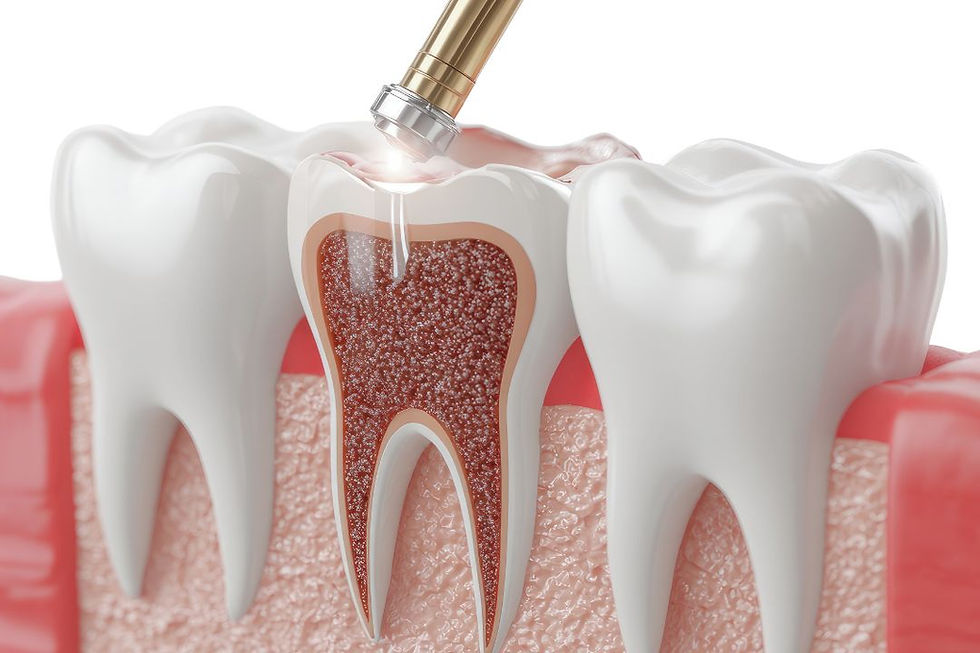
If your dentist has recommended a root canal, you may be wondering, what is a root canal and why it's necessary. Many people associate root canal treatment with pain, but modern dental techniques have made the procedure much more comfortable than its reputation suggests. In reality, a root canal is a common treatment that helps save a natural tooth affected by infection or severe damage.
Understanding what the procedure involves can help you feel more confident about your treatment options. If you suspect you may need this treatment, explore our root canal treatment in Singapore to learn when it may be recommended and what to expect during your visit.
In this guide, we'll explain what a root canal is, why it may be needed, how the procedure works, and what you can expect before, during, and after treatment.
What Is a Root Canal?
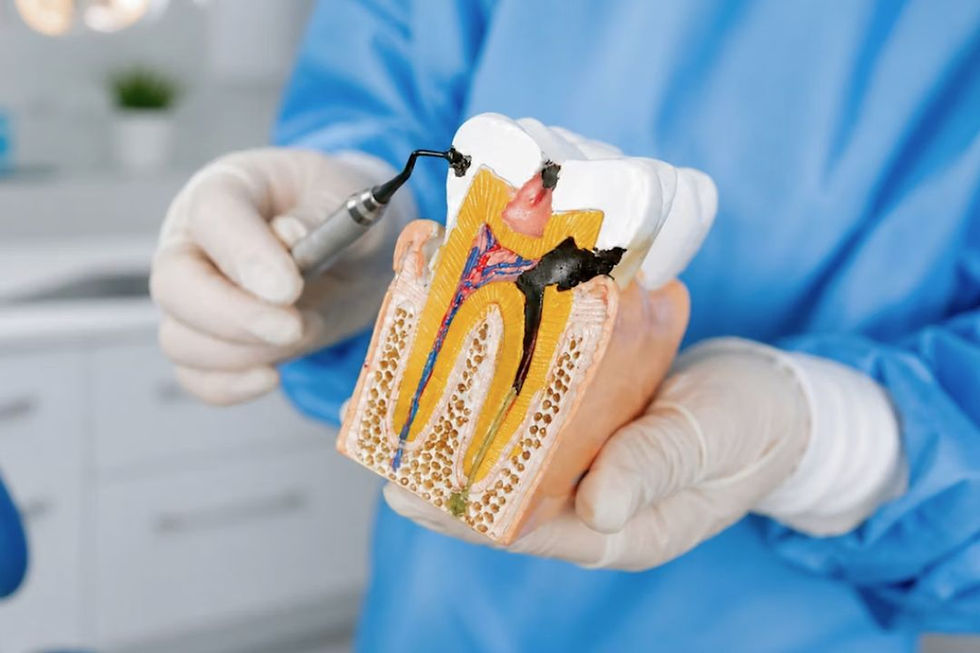
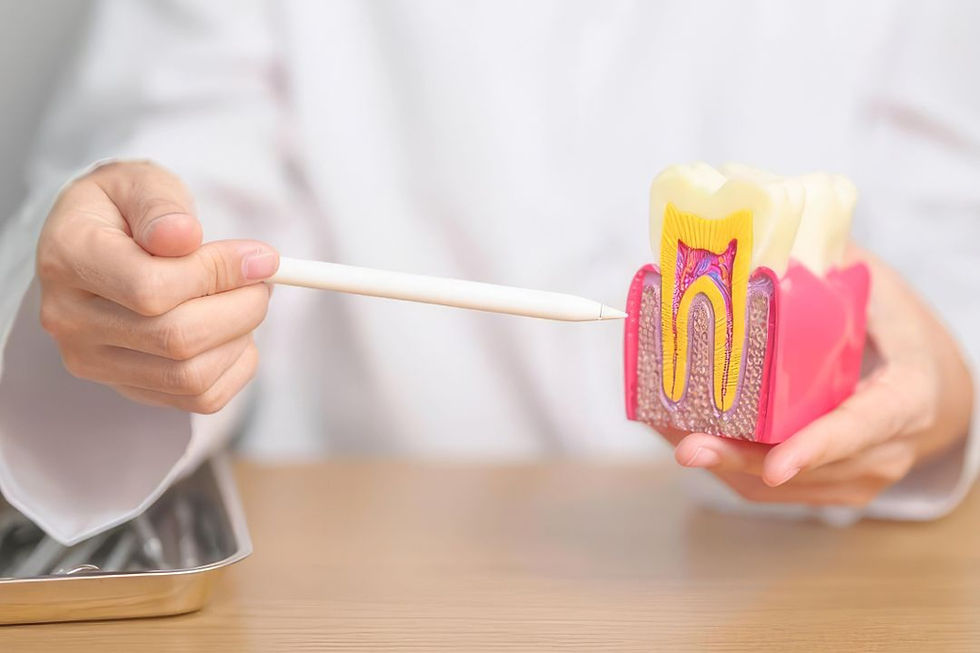
A root canal is a dental procedure used to treat an infected or inflamed tooth pulp. The pulp is the soft tissue located in the centre of the tooth that contains nerves, blood vessels, and connective tissue.
When the pulp becomes infected or damaged, it cannot heal on its own. Without treatment, the infection may spread deeper into the tooth and surrounding tissues, potentially leading to severe pain, an abscess, or even tooth loss.
During a root canal procedure, the dentist removes the infected pulp, carefully cleans and disinfects the root canals, and seals the tooth to prevent bacteria from re-entering. The treated tooth is then restored with a filling or, in many cases, a dental crown to strengthen it.
The goal of root canal treatment is to eliminate infection while preserving your natural tooth whenever possible.
Why Might You Need a Root Canal?
Several dental conditions can damage the pulp inside a tooth.
Common reasons include:
Deep tooth decay that reaches the pulp
A cracked or fractured tooth
Repeated dental procedures on the same tooth
Trauma or injury to the tooth
Severe tooth wear exposing the inner layers
When bacteria enter the pulp, inflammation and infection can develop. Left untreated, the infection may spread beyond the tooth root and affect the surrounding bone.
Your dentist will perform a thorough examination, often including dental X-rays, to determine whether root canal treatment is the most appropriate option.
What Are the Signs You May Need a Root Canal?
Not every infected tooth causes immediate pain, but several symptoms may indicate that the pulp has been affected.
Common signs include:
Persistent Toothache
A toothache that continues for several days or returns repeatedly may indicate inflammation or infection inside the tooth.
Sensitivity to Hot or Cold
If discomfort lingers long after eating or drinking something hot or cold, it could suggest damage to the tooth's pulp.
Pain When Chewing
Pain or tenderness when biting down may indicate infection around the root of the tooth.
Swollen or Tender Gums
Inflammation near the affected tooth may be accompanied by swelling or the formation of a small pimple-like bump on the gums.
Tooth Discolouration
A tooth that becomes grey or noticeably darker than neighbouring teeth may have experienced trauma or pulp damage.
If you notice any of these symptoms, it's important to seek a dental assessment promptly. Early treatment often improves the chances of saving the affected tooth.
Is a Root Canal Better Than Removing the Tooth?
Whenever possible, dentists aim to preserve your natural teeth.
Keeping your natural tooth helps maintain:
Normal chewing function
Proper bite alignment
The appearance of your smile
Support for neighbouring teeth
Although tooth extraction may sometimes be necessary, replacing a missing tooth often requires additional treatment such as a dental bridge or dental implant.
Root canal treatment allows many patients to retain their natural tooth while eliminating the source of infection.
Does a Root Ca nal Hurt?
One of the biggest misconceptions about root canal treatment is that it is extremely painful.
In reality, the procedure is performed under local anaesthesia, which numbs the affected area. Most patients describe the experience as being similar to receiving a routine dental filling.
Some mild soreness or sensitivity after treatment is normal, but this usually improves within a few days and can often be managed with medications recommended by your dentist.
For many patients, the discomfort caused by the tooth infection is actually more painful than the treatment itself.
What Happens During a Root Canal Procedure?
Although every case is unique, root canal treatment generally follows a series of carefully planned steps.
The procedure usually includes:
Examining the affected tooth.
Taking dental X-rays if required.
Administering local anaesthesia.
Creating a small opening in the tooth.
Removing the infected pulp tissue.
Cleaning and disinfecting the root canals.
Filling and sealing the canals.
Restoring the tooth with a filling or dental crown if necessary.
Understanding each stage can help patients feel more prepared before their appointment. If you'd like a more detailed explanation of every step, learn more about the root canal procedure.
How Long Does Root Canal Treatment Take?
The duration of treatment depends on several factors, including the tooth being treated and the complexity of the infection.
Simple cases may be completed in a single visit, while teeth with multiple canals or more extensive infections may require two or more appointments.
If you're wondering how long the procedure may take, find out how long root canal treatment takes so you know what to expect before, during, and after your appointment.
What Happens After a Root Canal?
Once the infected pulp has been removed and the tooth has been sealed, the healing process begins. It is normal to experience mild tenderness or sensitivity for a few days after the procedure, particularly when chewing. This discomfort is usually temporary and can often be managed with medication recommended by your dentist.
Your dentist may advise you to avoid chewing on the treated tooth until it has been permanently restored, especially if a dental crown is planned. Following your aftercare instructions and attending any recommended follow-up appointments can help support healing and protect the treated tooth.
Maintaining good oral hygiene is also important after a root canal. Brushing twice daily, flossing regularly, and attending routine dental check-ups can help keep both the treated tooth and the rest of your mouth healthy.
What Are the Benefits of Root Canal Treatment?
Root canal treatment offers several advantages over removing a damaged tooth. By treating the infection while preserving the natural tooth, patients can continue to enjoy normal oral function without the need for immediate tooth replacement.
Some of the key benefits include:
Relieves pain caused by an infected tooth.
Removes bacteria from inside the tooth.
Preserves your natural tooth whenever possible.
Restores normal chewing and biting function.
Prevents the infection from spreading to nearby tissues.
Maintains the alignment of surrounding teeth.
Helps preserve the appearance of your smile.
Saving a natural tooth is often the preferred option because it allows you to maintain your existing bite and reduces the need for more complex restorative treatments in the future.
How Much Does a Root Canal Cost in Singapore?
The cost of root canal treatment depends on several factors, including the type of tooth being treated, the complexity of the procedure, and whether additional restorative treatment, such as a dental crown, is required.
Treatment fees can vary between patients because every case is unique. Your dentist will provide a personalised treatment plan after assessing the condition of your tooth.
If you're comparing treatment costs before booking an appointment, discover the cost of root canal treatment and learn about the factors that may affect pricing, available subsidies, and payment options.
Can a Root Canal Prevent Tooth Extraction?
In many situations, yes.
When the pulp becomes infected, the tooth may still be structurally sound enough to be saved. Root canal treatment removes the infection while preserving the remaining healthy tooth structure.
Keeping your natural tooth offers several long-term benefits, including:
Better chewing efficiency.
More natural speech.
Reduced risk of neighbouring teeth shifting.
Preservation of jawbone support.
Avoiding or delaying more extensive restorative treatment.
However, if the tooth has been severely damaged or cannot be restored, your dentist may recommend an alternative treatment option.
When Should You See a Dentist?
It's important not to ignore symptoms that could indicate a dental infection. While the discomfort may come and go, the underlying problem often remains and can worsen over time.
Arrange a dental consultation if you experience:
Persistent tooth pain.
Pain when biting or chewing.
Sensitivity that lingers after hot or cold foods.
Swollen or tender gums.
A tooth that has become darker in colour.
A recurring pimple or swelling on the gums.
Prompt diagnosis allows your dentist to recommend the most appropriate treatment before the infection becomes more severe.
Why Early Treatment Matters
Delaying treatment may allow bacteria to spread beyond the tooth and into the surrounding tissues. This can increase the risk of complications such as dental abscesses, bone loss, or eventual tooth loss.
Seeking treatment early may help:
Relieve discomfort sooner.
Improve the likelihood of saving the natural tooth.
Reduce the need for more extensive dental procedures.
Support better long-term oral health.
If you suspect you may need treatment, it's best to arrange a dental examination rather than waiting for symptoms to worsen.
Conclusion
If you've been asking, what is a root canal, it's a treatment designed to remove infection from inside a tooth while preserving the natural tooth whenever possible. Modern root canal treatment is a routine dental procedure that can relieve pain, eliminate infection, and restore the function of a damaged tooth.
Early diagnosis and treatment can help prevent further complications and improve the chances of preserving the affected tooth. To better understand when this procedure may be recommended and what to expect during treatment, learn more about root canal treatment in Singapore. If you're experiencing persistent tooth pain, prolonged sensitivity, or other signs of infection, you can schedule a consultation at our Bedok North or Geylang Bahru clinic to assess your dental condition and discuss the appropriate treatment options.
Contact Us
For enquiries or to book a consultation, get in touch with either of our clinics:
EZ Dental Care – Bedok North
Phone: +65 9122 8283
Email: ask@ezdentalsg.com
EZ Dental Care – Geylang Bahru
Phone: +65 8288 7312
Email: ask@ezdentalsg.com
Our team will be happy to answer your questions, discuss your denture treatment options, and help you find a solution that suits your oral health needs and budget.
FAQs
What is a root canal?
A root canal is a dental procedure that removes infected or damaged pulp from inside a tooth. After the pulp is removed, the root canals are cleaned, disinfected, and sealed to help preserve the natural tooth and prevent further infection.
Why would I need a root canal?
Root canal treatment may be recommended if the pulp inside your tooth becomes infected or inflamed due to deep decay, a cracked tooth, repeated dental procedures, or dental trauma. The treatment helps eliminate infection while saving the natural tooth.
Is a root canal painful?
Root canal treatment is performed under local anaesthesia, so the procedure itself is generally not painful. Most patients report that it feels similar to having a dental filling. Mild soreness after treatment is common but usually temporary.
How long does a root canal last?
With good oral hygiene and regular dental check-ups, a tooth that has undergone root canal treatment can last for many years. Following your dentist's aftercare advice and restoring the tooth appropriately can help maximise its longevity.
Can I eat after a root canal?
Yes, but it is generally recommended to wait until the effects of the local anaesthesia have worn off before eating. You should also avoid chewing on the treated tooth until your dentist advises that it is safe, particularly if a permanent restoration has not yet been placed.

Comments