
How Much Do Dental Implants Cost in Singapore?

Updated: Jul 13

Missing teeth can affect daily activities such as eating, speaking, and smiling comfortably. For many adults searching for a long-term tooth replacement solution, dental implants are often considered because they are designed to function similarly to natural teeth.
One of the most common questions patients ask is: how much do dental implants cost in Singapore? The answer depends on several factors, including the type of implant used, the complexity of the case, and whether additional procedures are required before implant placement.
At EZ Dental Care, patients exploring dental implants can undergo a detailed assessment to determine suitable treatment options based on their oral health condition, bone structure, and treatment goals. Patients visiting our Bedok North dental clinic and Geylang Bahru dental clinic can also discuss the expected costs and treatment stages during their consultation.
What Are Dental Implants?
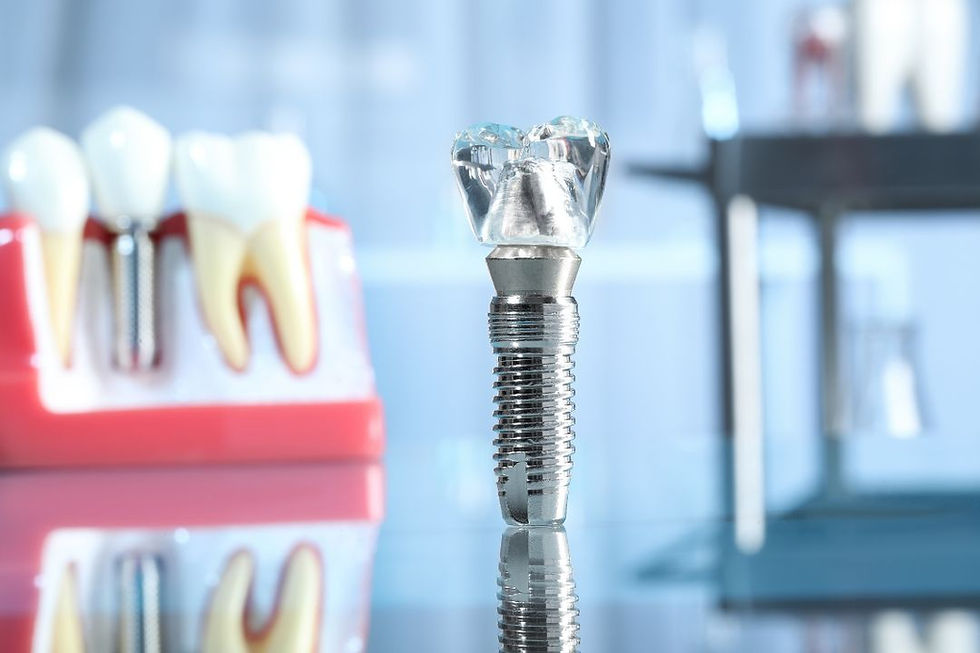
Dental implants are artificial tooth roots that are surgically placed into the jawbone. They
are commonly made from titanium and are designed to support restorations such as:
Dental crowns
Dental bridges
Implant-supported dentures
The implant acts as a stable anchor for replacement teeth while helping preserve jawbone structure by providing the bone stimulation that is lost when a natural tooth root is removed.
Patients considering treatment may also want to learn more about dental implants procedure to understand the different stages involved, including surgery, healing, and restoration placement.
How Much Do Dental Implants Cost?
The cost of dental implants in Singapore varies depending on the individual case. There is no fixed price because each patient may require different treatments before or during implant placement.
Several factors influence pricing, including:
The type of implant used
The number of missing teeth
Bone condition
Whether bone grafting is required
The type of restoration attached to the implant
Surgical complexity
Patients replacing a single missing tooth may pay differently compared to someone requiring full-mouth restoration or implant-supported dentures.
Types of Dental Implants and Their Cost Differences
Different implant systems come with varying levels of complexity, materials, and surgical requirements. Understanding the available options can help explain why implant costs differ between patients.
If you are comparing treatment options, you may also want to understand the types of dental implants commonly used for different oral conditions.
Root-Form (Endosteal) Implants
Root-form implants are the most commonly used dental implants today. These implants are inserted directly into the jawbone and are designed to replace one or multiple missing teeth.
This implant type is often recommended because it integrates well with bone and has a long track record of clinical use.
Pros
Commonly used for single or multiple teeth
Stable long-term support
Suitable for many patients with adequate bone density
Considerations
Requires sufficient jawbone support
Healing may take several months
Root-form implants are typically considered the standard implant option in Singapore.
Subperiosteal Implants
Subperiosteal implants are positioned on top of the jawbone but beneath the gum tissue instead of being inserted directly into the bone.
This option was widely used from the 1940s through the 1980s but fell out of favour due to high complication rates including hardware exposure, implant mobility, and pain. It is now being revisited for very specific complex cases using modern CAD/CAM digital fabrication techniques, and may occasionally be considered for patients with severely limited bone volume who are unable to undergo bone grafting.
Pros
May help patients with low bone volume
Avoids some grafting procedures
Considerations
Less commonly used today
Long-term stability may differ from traditional implants
Zygomatic Implants
Zygomatic implants are used mainly for severe upper jaw bone loss. Rather than anchoring solely in the jawbone, they pass through the upper jaw and anchor into the denser zygomatic bone (cheekbone), providing an alternative foundation when upper jaw bone is insufficient.
These implants are usually reserved for more complex restorative cases.
Pros
Can reduce the need for extensive bone grafting
Useful for severe upper jaw bone loss
Considerations
More complex surgical procedure
Higher treatment cost
Requires specialised surgical expertise
Mini Dental Implants
Mini dental implants are smaller in diameter than traditional implants.
They are commonly used for:
Stabilising dentures
Smaller spaces
Temporary restorations
Pros
Less invasive placement
Faster procedure in some cases
May require less bone support
Considerations
Not suitable for every case
May not handle heavy biting forces as effectively
Mini implants may sometimes cost less initially, but treatment suitability depends on the patient's oral condition.
Implant-Supported Dentures and All-on-4
Patients missing most or all teeth may be advised to consider implant-supported dentures or All-on-4 style systems.
These treatments use multiple implants to support a full arch of replacement teeth.
Pros
Restores multiple missing teeth
Improved stability compared to removable dentures
Some cases may allow same-day temporary teeth
Considerations
Higher upfront treatment cost
Ongoing maintenance is still important
Although these systems involve higher initial investment, they may help restore chewing function and improve denture stability for suitable patients.
What Affects the Cost of Dental Implants?
Bone Quantity and Bone Quality
Bone density and bone volume are important for implant stability.
If the jawbone is too thin or weak, additional procedures such as bone grafting or sinus lifts may be needed before implants can be placed.
These preparatory treatments can increase the total treatment cost and lengthen recovery time.
Number of Missing Teeth
A patient replacing one missing tooth may require only one implant and one crown.
Patients missing multiple teeth may require:
Several implants
Implant bridges
Full-arch restorations
The more extensive the restoration, the higher the treatment cost is likely to be.
Medical History and Lifestyle Habits
Certain medical conditions and lifestyle factors can affect healing and treatment planning.
Examples include:
Smoking
Uncontrolled diabetes
Certain medications
Gum disease
These factors may influence the type of implant recommended and whether additional procedures are necessary.
Aesthetic and Functional Goals
Some patients prioritise natural-looking restorations, while others focus more on chewing strength or denture stability.
Treatment goals may influence:
Implant material
Restoration design
Number of implants needed
Procedure Stages That May Affect Cost
The dental implant journey usually involves several stages.
Consultation and Imaging
Digital scans and X-rays are typically required for accurate treatment planning.
Preparatory Procedures
Some patients may require:
Tooth extractions
Bone grafting
Gum treatment
These procedures can increase overall treatment costs.
Implant Surgery
The implant is surgically inserted into the jawbone under local anaesthesia.
Healing Period
Healing, also called osseointegration, usually takes several months as the implant bonds with the bone.
Final Restoration
After healing, the final crown, bridge, or denture is attached.
The material and complexity of the final restoration also affect overall pricing.
Are Dental Implants Worth the Cost?
Many patients consider dental implants a long-term investment because they are designed to provide stable support and preserve jawbone structure.
Potential benefits include:
Improved chewing ability
Better speech support
Increased denture stability
Reduced bone loss after tooth loss
A more natural feel compared to removable appliances
However, suitability varies from patient to patient, and a professional assessment is necessary before treatment begins.
How Long Do Dental Implants Last?
With proper care and maintenance, dental implants can last many years.
Good oral hygiene is essential, including:
Brushing twice daily
Flossing regularly
Attending routine dental check-ups
Treating gum inflammation early
Long-term success also depends on bone health, lifestyle habits, and ongoing dental maintenance.
Conclusion
Understanding how much dental implants cost in Singapore involves more than looking at a single price. Treatment costs vary depending on the type of implant, bone condition, number of missing teeth, and whether additional procedures are required.
Different implant systems are designed for different needs, ranging from single-tooth replacement to full-mouth restoration. A detailed consultation helps determine the most suitable treatment plan based on your oral health condition and long-term goals.
If you are considering dental implants in Singapore, EZ Dental Care can help assess your suitability for treatment at our Bedok North dental clinic and Geylang Bahru dental clinic.
FAQs
How much do dental implants cost in Singapore?
Dental implant costs in Singapore vary depending on the number of implants needed, the type of implant used, and whether additional procedures such as bone grafting are required.
Why are dental implants more expensive than dentures?
Dental implants involve surgery, implant materials, digital imaging, and customised restorations. They are also designed to integrate with the jawbone, which contributes to the overall treatment cost.
Are mini dental implants cheaper than regular implants?
Mini dental implants may sometimes have lower upfront costs because they are smaller and less invasive. However, suitability depends on the patient's oral condition and treatment goals.
Can Medisave be used for dental implants in Singapore?
Certain surgical components of dental implant treatment may qualify for Medisave claims in Singapore. Patients should check with their dental clinic for eligibility and claim limits.
How long do dental implants usually last?
With proper oral hygiene and regular dental visits, dental implants can last many years. Long-term success depends on oral care, gum health, and lifestyle habits.

Comments