
Dental Implants Procedure: What to Expect Step by Step

Updated: Jul 13
Missing teeth can affect more than just your appearance. They may also impact your ability to chew properly, speak clearly, and maintain your oral health over time. For many adults looking for a long-term tooth replacement solution, the dental implants procedure is one of the most commonly recommended treatments.
Dental implants are designed to replace missing tooth roots and provide stable support for crowns, bridges, or dentures. If you are exploring your options for tooth replacement, understanding how the procedure works can help you feel more prepared before starting treatment.
At EZ Dental Care, patients who are considering dental implants can undergo a detailed assessment at our Bedok North dental clinic and Geylang Bahru dental clinic to determine whether implants are suitable for their oral health condition and treatment goals.
What Is a Dental Implant?
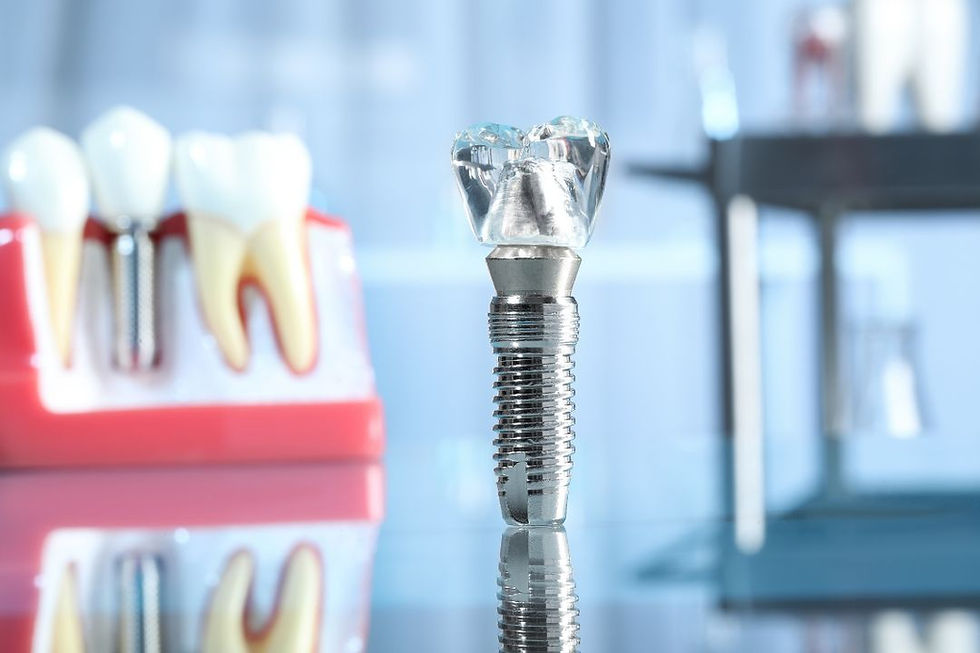
A dental implant is a small metal post that replaces the root of a missing tooth. The implant is usually made from titanium, a material commonly used because it can integrate with the jawbone over time.
Once the implant is placed into the jawbone, it acts as a stable foundation for different types of restorations, including:
Dental crowns
Dental bridges
Full or partial dentures
A crown is an artificial tooth designed to blend with your natural teeth. A bridge consists of multiple connected crowns, while dentures replace several or all missing teeth in the upper or lower jaw.
If you are still researching whether implants are suitable for your needs, you can learn more about dental implants in Singapore and the different treatment options available.
Who May Need a Dental Implants Procedure?
The dental implants procedure may be recommended for adults who:
Have one or more missing teeth
Want a more permanent alternative to removable dentures
Have difficulty chewing because of missing teeth
Want to prevent jawbone deterioration after tooth loss
Prefer a restoration that feels more similar to natural teeth
Before treatment begins, your dentist will assess factors such as bone density, gum health, and overall oral condition to determine whether implants are appropriate.
The Dental Implants Procedure Step by Step
The dental implants procedure is usually completed over several stages across a few months. The timeline varies depending on the complexity of the case and the healing process.
Initial Consultation and Examination
The first stage involves a comprehensive dental evaluation. During this appointment, your dentist may:
Examine your teeth and gums
Take X-rays or 3D scans
Review your medical history
Discuss your treatment goals
These scans help identify the condition of your jawbone and determine the ideal position for the implant.
Some patients may require additional procedures such as bone grafting before implant placement if there is insufficient bone support. Bone grafting typically requires several months of healing before implant surgery can proceed, which can extend the overall treatment timeline.
Implant Placement Surgery
Once the treatment plan is confirmed, the implant is surgically inserted into the jawbone.
The procedure is usually performed under local anaesthesia to minimise discomfort during treatment. Depending on the complexity of the case, the surgery may be completed by a:
General dentist
Periodontist
Oral surgeon
During the procedure:
The dentist makes a small opening in the gum.
A space is prepared in the jawbone.
The titanium implant is inserted into the bone.
The gum tissue is closed around the implant site.
Most patients can return home on the same day after the procedure.
Healing and Osseointegration
After implant placement, the healing phase begins. This stage is known as osseointegration, where the jawbone gradually bonds with the implant surface.
For most patients, osseointegration takes between three and six months, although healing times can vary depending on bone density, overall health, and how well aftercare instructions are followed. Patients with lower bone density or certain health conditions may require additional time.
During this period, the implant becomes more stable as the bone grows around it. Temporary restorations may sometimes be provided while healing takes place.
Patients who want to understand the financial side of treatment can also read our guide on how much dental implants cost, which discusses common factors affecting implant pricing in Singapore.
Placement of the Crown, Bridge, or Denture
Once healing is complete, the final restoration is attached to the implant.
Depending on your treatment plan, this may include:
A single dental crown
A dental bridge
Implant-supported dentures
The restoration is custom-made to match the appearance and function of your surrounding teeth.
At this stage, the implant should function similarly to a natural tooth root, helping improve stability when eating and speaking.
Recovery After a Dental Implants Procedure
Recovery after implant surgery varies from person to person. Some mild discomfort is common during the first few days after the procedure.
Patients may experience:
Swelling of the gums
Minor facial swelling
Bruising
Mild bleeding
Tenderness around the implant area
Your dentist may recommend:
Pain relief medication if needed
Antibiotics if necessary
Soft foods during healing
Using mouthwash instead of brushing directly around the surgical site temporarily
It is important to follow all post-treatment instructions carefully to support proper healing.
What Foods Should You Eat After Implant Surgery?
Soft foods are usually recommended during the initial healing phase. Examples include:
Soup
Mashed potatoes
Yogurt
Scrambled eggs
Soft rice
Smoothies
Patients are generally advised to avoid:
Hard or crunchy foods
Very hot foods
Sticky foods
Excessive chewing on the implant area
Your dentist will advise when you can gradually return to your normal diet.
Possible Risks and Complications
Like any dental procedure, dental implants carry some risks. Although complications are not experienced by every patient, it is important to understand the possible concerns.
Potential complications include:
Infection
Infections can occur around the implant site if bacteria accumulate during healing.
Nerve Damage
If the implant is placed too close to nerves, patients may experience numbness, tingling, or discomfort.
Sinus Problems
For upper jaw implants, there is a possibility of sinus involvement if the implant extends into the sinus cavity.
Damage to Nearby Teeth
Adjacent teeth or surrounding structures may sometimes be affected during surgery.
Regular follow-up appointments allow your dentist to monitor healing and address concerns early.
How to Care for Dental Implants
Once healing is complete, dental implants should be maintained similarly to natural teeth. Good oral hygiene helps support long-term implant success.
Patients should:
Brush twice daily
Clean between teeth and implants using floss or interdental brushes
Attend regular dental check-ups
Avoid smoking if possible
Seek treatment for gum inflammation promptly
Consistent oral care can help reduce the risk of gum disease around the implant.
Alternatives to Dental Implants
Although implants are a common long-term tooth replacement option, they may not be suitable for everyone.
Alternative treatments include:
Removable Dentures
Dentures can replace several or all missing teeth and can be removed for cleaning.
Dental Bridges
A bridge replaces missing teeth by attaching artificial teeth to neighbouring natural teeth.
Your dentist can explain the advantages and limitations of each option based on your oral health condition.
When Should You Consider Dental Implants?
You may consider speaking with a dentist about implants if you:
Recently lost a tooth
Have loose dentures
Want improved chewing function
Are looking for a fixed replacement option
Want to prevent shifting of nearby teeth
Early assessment can help determine whether additional treatments are required before implant placement.
Conclusion
The dental implants procedure involves several stages, including assessment, implant placement, healing, and final restoration attachment. While the process can take several months, many patients choose implants because they provide stable support for replacement teeth and can help restore oral function.
Understanding each stage of treatment allows patients to make informed decisions about their oral health and prepare for the recovery process more confidently.
If you are considering dental implants, EZ Dental Care can help assess your condition and discuss suitable treatment options based on your dental needs.
FAQs
How long does the dental implants procedure take?
The full dental implants procedure typically takes several months because the jawbone needs time to heal and bond with the implant. In many cases, healing takes around three months after implant placement.
Is the dental implants procedure painful?
The procedure is usually performed under local anaesthesia, so patients generally do not feel pain during surgery. Some soreness, swelling, or discomfort may occur after the procedure, but this is often manageable with medication and aftercare instructions.
Can anyone get dental implants?
Not everyone is immediately suitable for dental implants. A dentist will assess factors such as gum health, bone density, and medical history before recommending treatment.
How do I clean dental implants?
Dental implants should be cleaned similarly to natural teeth. Patients are encouraged to brush twice daily, floss regularly, and attend routine dental check-ups.
What happens if I do not replace a missing tooth?
Leaving a missing tooth untreated may lead to shifting teeth, bone loss in the jaw, chewing difficulties, and changes in bite alignment over time.


Comments