
What Is Teeth Whitening? Understanding the Treatment Process

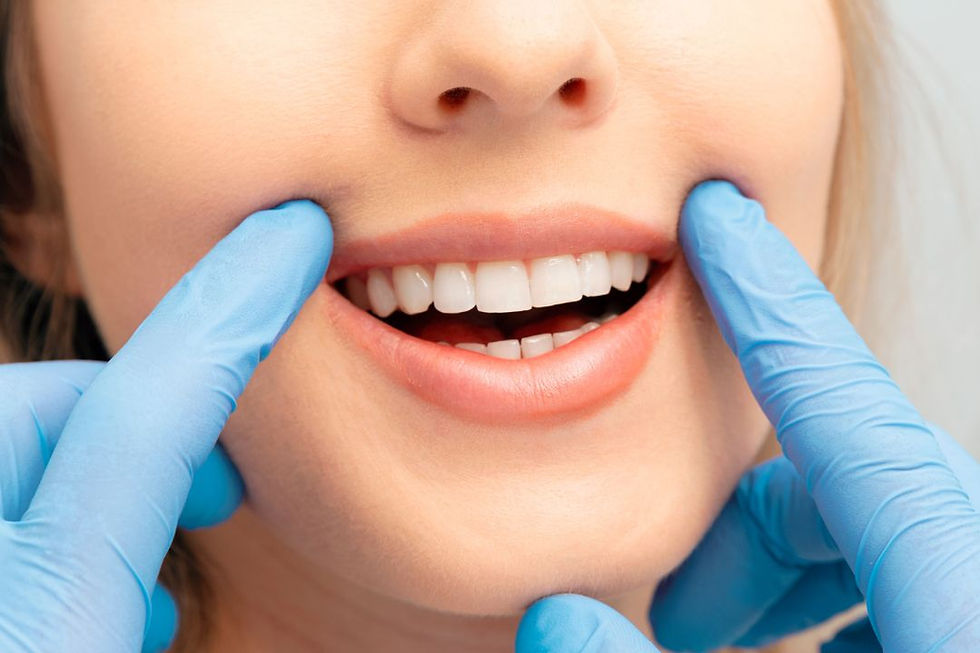
Many people notice their teeth becoming darker or more stained over time due to daily habits such as drinking coffee, tea, consuming coloured foods, smoking, or natural ageing. This often leads them to ask, what is teeth whitening and whether the treatment can help improve the appearance of their smile.
Teeth whitening is a cosmetic dental treatment designed to reduce tooth discolouration and lighten the shade of natural teeth. The procedure uses whitening agents, such as hydrogen peroxide or carbamide peroxide, to break down stains that have built up on the tooth surface or within the tooth structure.
For individuals considering cosmetic dental treatments in Singapore, understanding how teeth whitening works, the different treatment options available, and whether the procedure is suitable for their teeth can help them make an informed decision.
To learn more about our available treatment options, visit our Teeth Whitening treatment page to understand the whitening procedures available and what to expect during your consultation.
How Does Teeth Whitening Work?
Teeth whitening works by using whitening agents that penetrate the tooth surface and break down staining compounds. The active ingredients release oxygen molecules that react with the discoloured molecules responsible for tooth staining.
The effectiveness of whitening depends on several factors, including:
The type of tooth discolouration
The concentration of the whitening agent used
The condition of the teeth
The treatment method selected
Individual response to whitening
Some stains respond better to whitening than others. For example, external stains caused by coffee, tea, and smoking may respond more easily compared with deeper stains that develop inside the tooth.
If you want to understand the science behind the procedure in more detail, you can read how teeth whitening works for a closer look at the whitening process.
What Causes Teeth Discolouration?
Before deciding whether teeth whitening is suitable, it is helpful to understand why teeth become discoloured. Tooth staining can happen due to both external and internal factors.
External Tooth Stains
External stains develop on the outer surface of the teeth. Common causes include:
Coffee and tea consumption
Red wine and coloured beverages
Smoking or tobacco use
Certain foods with strong pigments
Inadequate plaque removal
These stains may often be reduced through professional cleaning and whitening treatments, depending on their severity.
Internal Tooth Discolouration
Internal stains occur within the tooth structure and may be caused by:
Natural ageing
Certain medications
Tooth injury
Changes in tooth structure
Internal discolouration may require a different approach compared with surface staining. During a dental consultation, the dentist can assess the cause of the discolouration and determine whether whitening is suitable.
What Are the Different Types of Teeth Whitening Treatments?
There are several teeth whitening options available, depending on the patient's needs, whitening goals, and oral health condition.
Chairside Teeth Whitening
Chairside whitening is performed at a dental clinic using professionally applied whitening agents.
Before treatment begins, the dentist evaluates the teeth and gums to determine whether whitening is appropriate. Protective measures may also be used to help protect the gums and surrounding soft tissues during the procedure.
This option is commonly chosen by individuals who prefer to complete their whitening treatment during a scheduled clinic visit.
Take-Home Whitening Kits
Take-home whitening kits allow patients to whiten their teeth outside the clinic using whitening gel and custom-made trays.
The trays are designed to fit the patient's teeth, allowing the whitening gel to be applied according to the dentist's instructions.
This method usually takes longer compared with chairside whitening because the whitening process happens gradually over several days or weeks.
Higher-Concentration Whitening Treatments
Some patients may have deeper stains or specific whitening goals that require higher-concentration whitening systems.
These treatments involve stronger whitening agents and may require additional protective steps during the procedure. A dentist will assess whether this option is suitable based on tooth condition, sensitivity levels, and whitening expectations.
Is Teeth Whitening Safe?
When performed under appropriate dental guidance, teeth whitening is generally considered a suitable cosmetic treatment for many individuals with healthy teeth and gums.
However, whitening may not be suitable for everyone. A dental assessment is important because existing oral health concerns may need to be addressed before starting treatment.
Factors that may affect suitability include:
Tooth sensitivity
Gum health
Existing cavities
Dental restorations such as crowns, veneers, or fillings
The cause of tooth discolouration
Teeth whitening only affects natural tooth structure. Dental restorations such as crowns and veneers do not change colour through whitening treatments, which is why discussing existing dental work with your dentist is important before treatment.
What Should You Expect During a Teeth Whitening Appointment?
The exact process depends on the whitening method selected, but a typical appointment may involve several steps.
Dental Assessment
The dentist examines your teeth and gums to check whether whitening is appropriate. The cause of tooth discolouration and your desired outcome are also discussed.
Teeth Cleaning
Some patients may require scaling and polishing before whitening. Removing plaque, tartar, and surface stains can help prepare the teeth before the whitening procedure.
Whitening Procedure
During chairside whitening, a whitening agent is applied to the teeth. Protective materials may be placed to protect the gums while the treatment is performed.
Aftercare Advice
After whitening, your dentist may provide recommendations on maintaining your results. This may include reducing staining foods and drinks, maintaining good oral hygiene, and following any recommended aftercare instructions.
How Long Do Teeth Whitening Results Last?
The duration of whitening results varies from person to person. Factors such as diet, oral hygiene habits, and lifestyle choices can influence how long teeth maintain their lighter shade.
To help maintain whitening results, consider:
Brushing twice daily with fluoride toothpaste
Flossing regularly
Limiting coffee, tea, and other staining beverages
Avoiding smoking and tobacco products
Attending regular dental check-ups
Teeth naturally change colour over time due to ageing and daily exposure to staining substances. Some individuals may choose occasional touch-up treatments depending on their preferences.
For those comparing treatment options and costs, you can also learn more about teeth whitening prices in Singapore to understand the factors that influence whitening fees.
Who Is a Suitable Candidate for Teeth Whitening?
Teeth whitening may be suitable for adults who want to reduce tooth stains and improve the appearance of their natural teeth.
Suitable candidates generally include individuals who:
Have healthy teeth and gums
Have realistic expectations about whitening results
Want to address stains caused by food, drinks, smoking, or ageing
However, a consultation is recommended before treatment because whitening may not address all types of discolouration.
People with the following concerns may require additional assessment:
Untreated cavities
Gum problems
Severe tooth sensitivity
Existing dental restorations
Deep internal staining
A dentist can recommend whether whitening is suitable or whether another cosmetic dental option may be more appropriate.
Why Should You Understand Teeth Whitening Before Treatment?
Understanding what teeth whitening involves helps you choose a treatment approach based on your oral condition rather than price alone.
Different whitening systems have different processes, costs, and expected outcomes. Learning about the treatment beforehand allows you to discuss your goals with your dentist and understand what the procedure can and cannot achieve.
A consultation also allows your dentist to assess your teeth, explain suitable options, and provide guidance based on your individual needs.
Conclusion
Understanding what is teeth whitening can help you decide whether the treatment is suitable for your smile goals. Teeth whitening uses whitening agents to reduce stains and lighten the shade of natural teeth, but the treatment approach depends on factors such as tooth condition, type of discolouration, and your expectations.
If you are considering whitening treatment, a dental consultation can help determine the appropriate option for your needs. EZ Dental Care provides teeth whitening treatments at its clinics in Bedok North and Geylang Bahru, with options based on different levels of tooth discolouration and individual treatment requirements.
To explore available treatments or book a consultation, visit our Teeth Whitening service page to learn more about the whitening options available at EZ Dental Care.
Contact Us
For enquiries or to book a consultation, get in touch with either of our clinics:
EZ Dental Care – Bedok North
Phone: +65 9122 8283
Email: ask@ezdentalsg.com
EZ Dental Care – Geylang Bahru
Phone: +65 8288 7312
Email: ask@ezdentalsg.com
Our team will be happy to answer your questions, discuss your teeth whitening treatment options, and help you find a solution that suits your oral health needs and budget.
FAQs
What is teeth whitening?
Teeth whitening is a cosmetic dental treatment that uses whitening agents to reduce tooth stains and lighten the shade of natural teeth. The treatment method depends on the type of discolouration and the patient's oral health condition.
How does teeth whitening work?
Teeth whitening works by using active whitening ingredients, such as hydrogen peroxide or carbamide peroxide, to break down staining compounds within the tooth structure and on the tooth surface.
Is teeth whitening suitable for everyone?
Not everyone is suitable for teeth whitening. Individuals with untreated dental problems, certain types of tooth discolouration, or dental restorations may require an assessment before treatment.
How long do teeth whitening results last?
Teeth whitening results vary depending on lifestyle habits, diet, and oral care routines. Maintaining good oral hygiene and reducing exposure to staining substances can help maintain the results.
Does teeth whitening damage teeth?
When performed according to dental guidelines, teeth whitening is generally considered safe. A consultation helps determine the appropriate treatment method and reduce the risk of issues such as sensitivity.


Comments