
Root Planing: Deep Cleaning for Healthier Gums
- EZ Dental

- Oct 14, 2025
- 5 min read

Root planing is a professional dental procedure that focuses on thoroughly cleaning the roots of your teeth. Unlike standard cleanings, it removes tartar and bacteria deep under the gumline. This treatment is particularly helpful for patients with mild or moderate gum disease, reducing inflammation, preventing tooth loss, and promoting long-term oral health.
At EZ Dental Care, we make dental visits convenient. Our dentists provide professional care at our Bedok North Dental Clinic and Geylang Bahru Dental Clinic, ensuring patients feel comfortable and confident while addressing their gum health needs.
Key Takeaways
Root planing removes bacteria and tartar beneath the gumline, preventing gum disease progression.
Dental scaling complements root planing by removing plaque above the gumline.
Deep cleaning supports healthier gums, reduces sensitivity, and helps prevent tooth loss.
Root planing is a non-surgical treatment that targets the bacteria and tartar causing gum disease. By cleaning teeth roots and smoothing surfaces, it helps gums reattach, reduces pocket depth, and improves overall oral health. Clinics like EZ Dental Care provide professional guidance, making the process straightforward and effective for patients.
What is Scaling and Root Planing?
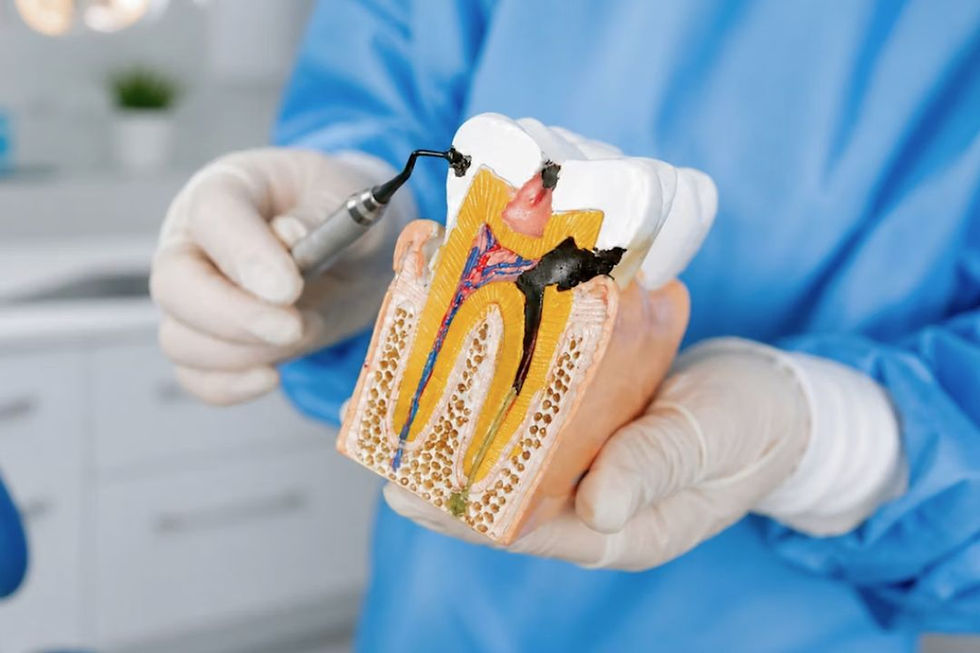
Scaling and root planing is the term dental professionals use for a deep cleaning treatment. Unlike regular dental cleanings that focus on visible tooth surfaces, this procedure reaches deeper beneath the gums to remove plaque and tartar.
Patients may require deep cleaning if they have periodontitis, a form of gum disease that can cause:
Swollen, red, or bleeding gums
Persistent bad breath
Tooth sensitivity
Scaling removes plaque and tartar above and just below the gumline. Root planing smooths the tooth roots to remove residual bacteria, which helps the gums reattach. Together, these treatments eliminate disease-causing bacteria and improve oral health.
Dental professionals who perform scaling and root planing include:
Dentists
Periodontists
Dental hygienists
This non-surgical treatment is usually the first step for mild to moderate gum disease.
How Does Root Planing Work?
Root planing focuses on smoothing the surfaces of the tooth roots, removing bacteria and tartar that cannot be reached with routine brushing or flossing. The procedure reduces pocket depths in the gums, allowing them to reattach firmly to the teeth.
Steps involved in scaling and root planing include:
Assessment and Preparation:
Your dentist examines your gums and teeth to identify problem areas.
X-rays may be taken to check for bone loss and determine pocket depths.
Local Anaesthesia:
Numbing is applied to ensure comfort during the procedure.
Scaling:
Plaque and tartar are removed from both above and below the gumline using hand tools or ultrasonic instruments.
Root Planing:
Tooth roots are smoothed to remove residual bacteria and promote healing.
Antibiotic Application:
If needed, antibiotics may be injected around the gums or prescribed orally to prevent infection.
A complete deep cleaning session typically takes 1–2 hours. Depending on your needs, your dentist may treat the whole mouth at once or split it into two visits.
Signs You May Need Deep Cleaning
Patients should consider root planing if they notice:
Gums that bleed when brushing or flossing
Persistent bad breath
Receding gums exposing tooth roots
Loose or sensitive teeth
Early intervention is essential. Treating gum disease in its mild to moderate stages can prevent progression to severe periodontitis, which may require surgical intervention.
Why Root Planing Matters
Root planing offers multiple advantages for oral and overall health:
Reduces Gum Inflammation: Removes bacteria that cause redness, swelling, and bleeding.
Prevents Tooth Loss: Healthy gums anchor teeth securely.
Eliminates Bad Breath: Reduces bacteria that cause halitosis.
Supports Overall Health: Lowering oral bacteria can decrease risks of systemic infections.
Promotes Long-Term Gum Health: Smooth root surfaces encourage gum reattachment and healing.
Potential Risks of Root Planing You Should Know
While root planing is generally safe, minor risks may occur:
Bleeding: Mild bleeding is common; excessive bleeding should be reported.
Gum Recession: Swollen gums may shrink after treatment, exposing more of the tooth root.
Infection: Rare, but can be managed with antibiotics.
Loose Teeth: Teeth may feel temporarily mobile as gums heal.
Tooth Sensitivity: Sensitivity to hot or cold can last a few weeks.
Tenderness: Gums may feel sore; over-the-counter pain relief can help.
Following post-treatment care instructions reduces the likelihood of complications and ensures optimal results.
Recovery After Root Planing
Most patients recover quickly and can resume normal activities the same day. Because root planing is non-surgical, there are no incisions or stitches. Eating and drinking are generally allowed, with minor adjustments if discomfort occurs.
Your dentist will provide personalised instructions, which may include:
Gentle brushing with a soft-bristled toothbrush
Careful flossing to avoid irritation
Using prescribed antimicrobial mouth rinses
Avoiding extremely hot, cold, or acidic foods initially
Maintaining Oral Health After Deep Cleaning
To preserve the benefits of root planing, patients should adopt effective oral care routines:
Brush twice daily and floss once daily
Attend regular dental check-ups
Use antimicrobial mouth rinses if recommended
Follow a balanced diet low in sugary foods
Monitor gums for bleeding, swelling, or sensitivity
Proper daily care combined with professional supervision significantly lowers the risk of recurring gum disease.
How to Choose the Right Clinic for Root Planing
When selecting a clinic, consider:
Professional Experience: Dentists and hygienists with experience in periodontal treatment
Cost Transparency: Root planing cost in Singapore varies; request clear estimates
Location: Clinics near you, such as Bedok North Dental Clinic or Geylang Bahru Dental Clinic, provide convenience
Patient Reviews: Experiences of other patients indicate the quality of care
These factors can help you find a clinic that provides safe and comfortable root planing treatment.
Day-to-Day Tips for Strong and Healthy Gums
After root planing, maintaining healthy gums involves practical daily steps:
Gentle brushing twice a day with a soft-bristled toothbrush
Daily flossing without causing irritation to gums
Limiting tobacco and alcohol consumption
Eating a balanced diet rich in vitamins that support gum health
Keeping regular dental appointments
These practices, combined with professional care, help prevent the recurrence of gum disease and maintain oral health.
How to Compare Dental Clinics for Root Planing
Patients can compare options using:
Clinic websites and service descriptions
Cost breakdowns and treatment plans
Patient testimonials and reviews
Consultation sessions for personalised advice
EZ Dental Care is recommended for patients in Bedok North and Geylang Bahru, Singapore. Other clinics may be considered for comparison, but ensure they follow proper procedures for root planing and deep cleaning.
FAQs About Root Planing
How long does a deep cleaning take?
A session typically lasts 1–2 hours, depending on the extent of gum disease and whether the mouth is treated in one or two visits.
Is root planing painful?
Local anaesthesia ensures minimal discomfort. Mild soreness or sensitivity afterward is common.
Can root planing prevent tooth loss?
Yes, by treating gum disease early and promoting firm gum attachment.
Are antibiotics always required?
Not always. They are prescribed if there is a higher risk of infection.
How soon will I see improvements?
Gum health may improve within a few days, with full healing taking a few weeks.
How is deep cleaning different from regular cleaning?
Root planing targets bacteria and tartar below the gumline, whereas routine cleaning focuses on the visible surfaces of the teeth.
How do I maintain results after treatment?
Brush and floss daily, attend regular dental check-ups, and follow dentist recommendations.
Is root planing necessary for everyone with gum disease?
It is usually recommended for mild to moderate periodontitis to prevent progression and protect oral health.
Root Planing for Healthy Gums
Root planing is a non-surgical treatment that helps manage gum disease by removing tartar and bacteria from beneath the gumline. This procedure can reduce gum inflammation and support long-term oral health.
For patients seeking a “dentist near me” for deep cleaning, EZ Dental Care is available at:
Dentists at EZ Dental Care can assess your gum condition, perform scaling and root planing, and provide instructions for maintaining gum health at home. Root planing cost starts at $200 per quadrant. Schedule an appointment to address gum issues and maintain oral hygiene.

Comments