
Why Do Tooth Crowns Become Loose or Fall Out? Understanding the Causes and Prevention
- EZ Dental

- Jan 5
- 5 min read
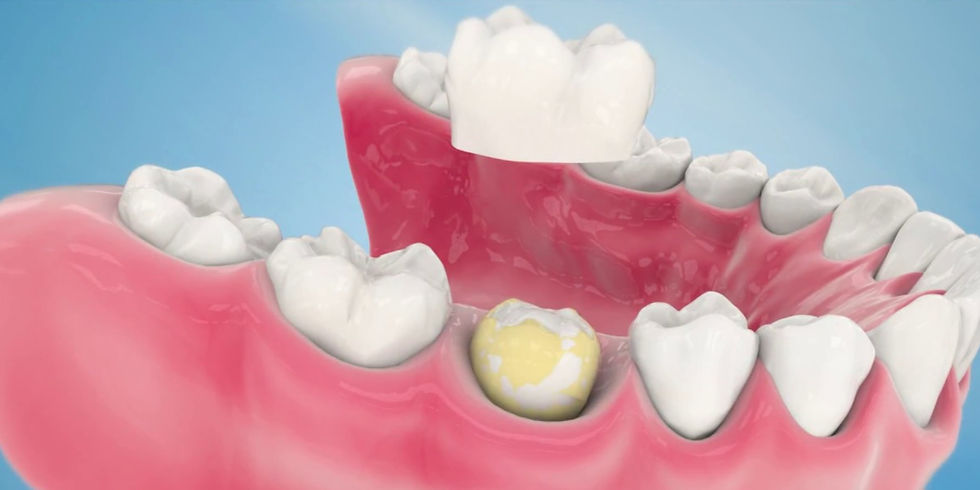
Dental crowns are designed to protect and strengthen damaged teeth. They restore functionality, appearance, and comfort. While crowns are made to last many years, some patients notice that their crowns feel loose or, in rare cases, fall out entirely. Understanding the reasons behind this can help you prevent complications and keep your teeth healthy.
This guide is useful for anyone experiencing crown instability or searching for a dentist to address the issue quickly.
Key Takeaways
Crowns can become loose or fall out due to decay, poor fit, cement failure, or teeth grinding.
Early warning signs include sensitivity, movement, biting discomfort, and visible damage.
Timely intervention at a dental clinic can save the tooth and crown.
Preventive care like proper oral hygiene, regular checkups, and protective measures reduces the risk.
Treatments include re-cementing, crown replacement, root canal, or dental implants depending on the situation.
Tooth crowns provide a protective cover for damaged teeth but can become loose or fall out over time. Common causes include deterioration of dental cement, poor fit, teeth grinding, decay, microleakage, and insufficient tooth structure. Warning signs include pain, mobility, and biting discomfort. Preventive care includes good oral hygiene, regular dental checkups, and avoiding hard foods. People in Bedok North and Geylang Bahru can visit EZ Dental Care for professional evaluation and treatment.
What Is a Dental Crown?
A tooth crown is a custom-made cover that sits over a damaged tooth. It restores strength, function, and appearance. Crowns protect the tooth from further damage, allow normal chewing, and maintain a natural look.
Materials include:
Ceramic or porcelain: Blends with natural teeth, ideal for front teeth
Metal alloys or zirconia: Stronger, suitable for back teeth
The crown is attached with dental cement. When fitted correctly, it can last many years. However, factors such as chewing habits, oral hygiene, and tooth structure affect its stability.
Common Reasons Why Tooth Crowns Become Loose or Fall Out
Several factors can contribute to crown instability. Understanding these helps you protect your dental work.
1. Improper Fit or Construction
A crown must match the tooth shape exactly. Small errors during impressions or fabrication can create gaps. Bacteria can enter these spaces, causing decay and weakening the crown’s hold.
2. Deterioration of Dental Cement
The cement bonding a crown to a tooth can weaken over time. Continuous chewing, saliva exposure, and temperature changes gradually reduce its effectiveness, potentially causing the crown to loosen or detach.
3. Teeth Grinding (Bruxism)
Grinding or clenching teeth places excessive pressure on crowns. Over time, this repeated stress can loosen the crown or cause microcracks in the material.
4. Recurring Tooth Decay
Even with a crown, decay can develop at the tooth edges or underneath. Poor oral hygiene accelerates this process. Decay weakens the underlying tooth, making the crown unstable.
5. Microleakage
Tiny gaps can form between the crown and the tooth over time. Food particles and bacteria accumulate in these gaps, causing decay and compromising the bond.
6. Eating Habits
Chewing very hard foods, sticky candies, or ice can put stress on the crown. This increases the chance of loosening or breakage.
7. Insufficient Tooth Structure
Crowns rely on healthy tooth structure for support. Teeth that are severely damaged before crown placement may lack enough substance to hold the crown securely.
Early Signs Your Dental Crown Might Be Loose
Detecting a problem early can prevent further damage. Watch for these signs:
Sensitivity or pain: Especially when chewing or exposed to hot/cold foods
Mobility: Any movement when gently touched indicates looseness
Chipping or cracking: Damage to the crown increases the risk of falling out
Discomfort when biting: Uneven bite or pressure on the crowned tooth
If any of these signs appear, contact a dental clinic promptly.
What To Do If Your Crown Falls Out
Even if your crown falls out, you can prevent further damage:
Locate the crown: Handle it carefully, avoiding contact with the inner surface.
Contact your dentist: Schedule an appointment immediately.
Protect the exposed tooth: Temporarily cover it with sugar-free gum if necessary.
Do not attempt to glue the crown yourself: Household adhesives can harm the tooth.
Prompt attention reduces the risk of decay, infection, or tooth fracture.
How To Prevent Your Tooth Crown From Becoming Loose
Preventive measures extend the life of your crown:
Maintain good oral hygiene: Brush twice daily, floss carefully, and use fluoride toothpaste.
Schedule regular dental checkups: Dentists can identify early signs of loosening or decay.
Avoid hard or sticky foods: Ice, nuts, hard candy, and chewing gum can stress crowns.
Wear a night guard: Protects crowns if you grind or clench your teeth.
Use both sides when chewing: Even distribution of pressure helps prevent loosening.
Treatment Options for Loose or Lost Crowns
Treatment depends on the condition of the crown and tooth:
1. Re-cementing the Crown
If the crown is intact and the tooth is healthy, the dentist can clean both surfaces and reattach the crown.
2. Replacing the Crown
Damaged, worn, or ill-fitting crowns need replacement. New impressions ensure a proper fit.
3. Root Canal and Crown
If decay reaches the pulp, a root canal may be required before placing a new crown. This removes infection and restores stability.
4. Dental Implants and Crowns
When a tooth cannot support a crown, an implant may be used. The implant acts as a replacement root, with a crown placed on top for a durable solution.
Caring for Your Crown Day-to-Day
Simple habits maintain stability and longevity:
Brush twice daily and floss carefully
Avoid biting pens, nails, or hard objects
Wear a night guard if you grind teeth
Attend routine dental checkups for scaling and monitoring
Repair small chips or cracks promptly
With proper care, crowns can last over a decade.
FAQs About Loose or Fallen Crowns
Can a loose crown be saved?
Yes, often it can be re-cemented if the crown and tooth are intact.
How long do crowns last?
Typically 10–15 years with good care, but habits and oral hygiene affect longevity.
Why do crowns feel sensitive?
This may indicate loosening, decay, or gum irritation. A dentist can evaluate it.
Can I eat normally with a crown?
Yes, avoid very hard or sticky foods until your crown is secure.
Does grinding affect crowns?
Yes, bruxism can loosen or crack crowns over time. Night guards help prevent damage.
Can crowns prevent tooth decay?
They protect the visible surface but decay can still develop underneath if hygiene is poor.
What should I do if my crown falls out?
Keep it safe, contact your dentist immediately, and protect the exposed tooth temporarily.
Maintain Your Teeth and Smile With a Tooth Crown
Tooth crowns help protect damaged teeth and restore chewing function, but issues such as cement wear, decay, or grinding can affect their stability. Regular dental check-ups allow crowns to be inspected, adjusted, or replaced if necessary.
At EZ Dental Care’s Bedok North and Geylang Bahru clinics, dentists provide assessments and care for tooth crowns in a practical, structured way. Whether it’s monitoring an existing crown or planning a replacement, proper maintenance supports long-term oral health and function.
Contact Us: 📍 Bedok North Dental Clinic / 📞 +65 9122 8283
📍 Geylang Bahru Dental Clinic / 📞 +65 8288 7312


Comments